Introduction: The Power of Morning Rituals

世界のトップリーダーたちに共通する習慣があります。それは朝のルーティン(morning routine)です。Why do successful people wake up early and follow specific morning habits? その答えには、人生を変える力が隠されています。
アップルのティム・クック氏は朝3時45分に起床し、スターバックスのハワード・シュルツ氏は朝4時30分に起きてジムに行きます。彼らはなぜそこまで朝を大切にするのでしょうか?
本記事では、海外のビジネス書籍からの知恵を引用しながら、成功者の朝習慣をわかりやすく解説します。英語と日本語で学びながら、あなたの人生を変える朝のルーティンを見つけましょう。
1. Morning = Control(朝は自分でコントロールできる時間)
Why Mornings Matter Most
成功者が朝を重視する最大の理由は、朝は自分でコントロールできる唯一の時間だからです。
Key Vocabulary:
- Routine: 日課、習慣
- Control: コントロール、支配
- Proactive: 主体的な
- Reactive: 反応的な
- Intentional: 意図的な
ハル・エルロッドの言葉
ベストセラー『The Miracle Morning(奇跡の朝)』の著者ハル・エルロッドはこう言います:
“How you wake up each day and your morning routine (or lack thereof) dramatically affects your levels of success in every single area of your life.” 「毎日どのように目覚め、朝のルーティン(またはその欠如)が、人生のあらゆる分野における成功レベルに劇的な影響を与える」
朝と夜の違い
夜の時間(Evening):
- 疲れている(Tired)
- 予定外のことが起きる(Unexpected events)
- 他人の要求に応える(Responding to others)
- エネルギーが低い(Low energy)
朝の時間(Morning):
- 新鮮な状態(Fresh)
- 静かで集中できる(Quiet and focused)
- 自分のために使える(Time for yourself)
- エネルギーが高い(High energy)
Think of your morning as a blank canvas. 朝は真っ白なキャンバスのようなもの。あなたが何を描くかは自分次第です。
2. Willpower is Highest in the Morning(朝は意志力が最も強い)
The Science of Willpower
Willpower(意志力)は、筋肉のように使うと減っていきます。科学的に、朝が最も意志力が高い時間帯なのです。
Key Terms:
- Willpower: 意志力
- Decision fatigue: 決断疲れ
- Mental energy: 精神的エネルギー
- Self-discipline: 自己規律
- Peak performance: 最高のパフォーマンス
ロイ・バウマイスターの研究
心理学者ロイ・バウマイスターの著書『Willpower(意志力の科学)』によると:
“You have a finite amount of willpower that becomes depleted as you use it.” 「人間の意志力は有限で、使うほど減っていく」
つまり、朝に重要なことをやるべきなのです。
1日の意志力の変化
朝(6:00-10:00):
- 意志力:100% ⚡⚡⚡⚡⚡
- 決断力:最高
- 集中力:最高
昼(12:00-15:00):
- 意志力:60% ⚡⚡⚡
- 決断力:中程度
- 集中力:低下
夜(18:00-22:00):
- 意志力:20% ⚡
- 決断力:低い
- 集中力:最低
だから成功者は、most important tasks(最も重要なタスク)を朝に持ってくるのです。
3. Win the Morning, Win the Day(朝を制する者が1日を制する)
The Domino Effect of Morning Success

朝の成功体験は、1日全体に良い影響を与えます。これをDomino Effect(ドミノ効果)と言います。
Key Vocabulary:
- Momentum: 勢い、弾み
- Positive start: 良いスタート
- Chain reaction: 連鎖反応
- Confidence boost: 自信の向上
- Productive day: 生産的な1日
ティム・フェリスの教え
『The 4-Hour Workweek(週4時間だけ働く)』の著者ティム・フェリスは言います:
“If you win the morning, you win the day.” 「朝を制すれば、その日を制する」
朝の成功の連鎖
良い朝のルーティン →
- 気分が良くなる(Feel good)
- 自信がつく(Gain confidence)
- 生産性が上がる(Become productive)
- 良い決断ができる(Make better decisions)
- 目標に近づく(Move toward goals)
- 充実感を得る(Feel fulfilled)
悪い朝のルーティン →
- イライラする(Feel irritated)
- 焦る(Feel rushed)
- 遅刻する(Run late)
- ストレスを感じる(Feel stressed)
- 悪い決断をする(Make poor decisions)
- 不満を感じる(Feel unsatisfied)
Your morning sets the tone for your entire day. 朝が1日のトーンを決めるのです。
4. The Miracle Morning: 6つの習慣(SAVERS)
Hal Elrod’s Life-Changing Framework
ハル・エルロッドが提唱するSAVERSは、世界中で実践されている朝のフレームワークです。
Key Concepts:
- Silence(静寂)
- Affirmations(アファメーション)
- Visualization(視覚化)
- Exercise(運動)
- Reading(読書)
- Scribing(書く)
S: Silence(静寂の時間)- 5-10分
What it means: 瞑想、祈り、深呼吸など、静かに自分と向き合う時間。
Why it works: “Silence is the best way to reduce stress and gain clarity.” 「静寂はストレスを減らし、明晰さを得る最良の方法」
簡単な実践方法:
- 椅子に座って深呼吸を5回
- 今日1日の感謝を思い浮かべる
- 心を落ち着かせる
A: Affirmations(肯定的な言葉)- 5分
What it means: 自分に対する肯定的な言葉を声に出して言う。
Why it works: “What you say to yourself matters. Affirmations reprogram your mindset.” 「自分に言う言葉は重要。アファメーションはマインドセットを再プログラムする」
例文:
- “I am capable of achieving my goals.”(私は目標を達成できる)
- “Today will be a great day.”(今日は素晴らしい日になる)
- “I am confident and strong.”(私は自信があり強い)
V: Visualization(視覚化)- 5分
What it means: 目標を達成した自分を想像する。
Why it works: “Your brain cannot distinguish between what is real and what is vividly imagined.” 「脳は現実と鮮明に想像したものを区別できない」
実践例:
- 目を閉じる
- 理想の1日を映画のように想像する
- 成功した自分を見る
- その感情を味わう
E: Exercise(運動)- 10-20分
What it means: 体を動かす。激しい運動である必要はない。
Why it works: “Morning exercise boosts energy, improves mood, and enhances focus.” 「朝の運動はエネルギーを高め、気分を改善し、集中力を高める」
簡単な選択肢:
- ヨガ(Yoga)
- ストレッチ(Stretching)
- ジョギング(Jogging)
- 散歩(Walking)
- 腕立て伏せ(Push-ups)
R: Reading(読書)- 10-20分
What it means: 自己啓発書やビジネス書を読む。
Why it works: “Reading 10 pages per day equals 3,650 pages per year—about 12-15 books.” 「1日10ページ読めば、年間3,650ページ。約12〜15冊の本になる」
おすすめジャンル:
- 自己啓発(Self-help)
- ビジネス(Business)
- 伝記(Biography)
- 哲学(Philosophy)
S: Scribing(書く)- 5-10分
What it means: 日記やジャーナルを書く。
Why it works: “Writing clarifies your thoughts and tracks your progress.” 「書くことで思考が明確になり、進歩を追跡できる」
書く内容の例:
- 今日の目標(Today’s goals)
- 感謝していること(What I’m grateful for)
- 昨日の学び(Yesterday’s lessons)
- アイデア(Ideas)
5. Real Examples: 成功者の実際の朝ルーティン
Tim Cook (Apple CEO)
起床時間: 朝3:45
Morning Routine:
- メールチェック(Check emails)
- ジムで運動(Work out at gym)
- スターバックスでコーヒー(Coffee at Starbucks)
- オフィス到着(Arrive at office by 7:00)
His quote: “I like to get a jump on the day.” 「1日を先取りするのが好きだ」
Michelle Obama (Former First Lady)
起床時間: 朝4:30
Morning Routine:
- 運動(Exercise – 90 minutes)
- 家族の朝食準備(Prepare family breakfast)
- 娘たちの学校準備(Help daughters get ready)
Her advice: “That time to myself is critical. It’s the only time I have to gather my thoughts.” 「自分のための時間は重要。考えをまとめられる唯一の時間」
Richard Branson (Virgin Group Founder)
起床時間: 朝5:00
Morning Routine:
- 運動(Exercise – tennis or kitesurfing)
- 健康的な朝食(Healthy breakfast)
- 家族と時間を過ごす(Spend time with family)
His philosophy: “A good night’s sleep and a good workout can do wonders.” 「良い睡眠と良い運動は奇跡を起こせる」
Oprah Winfrey (Media Mogul)
起床時間: 朝6:00前後
Morning Routine:
- 瞑想(Meditation – 20 minutes)
- 運動(Exercise)
- 健康的な朝食(Healthy breakfast)
- 読書または新聞(Reading or newspapers)
Her wisdom: “I don’t just wake up and run. I think about my intentions for the day.” 「ただ起きて走るのではない。その日の意図について考える」
6. The 5 AM Club(朝5時クラブ)
Robin Sharma’s Revolutionary Concept
ロビン・シャーマの著書『The 5 AM Club(朝5時の革命)』は、世界中で大ヒットしました。
Key Concepts:
- 20/20/20 Formula: 朝の最初の1時間の使い方
- Victory Hour: 勝利の1時間
- Own Your Morning, Elevate Your Life: 朝を支配し、人生を高める
The 20/20/20 Formula
最初の20分: Move(運動)
- 激しい運動をする
- 体温を上げる
- 脳を活性化させる
Why it matters: “Exercise in the morning increases BDNF—brain-derived neurotrophic factor—which helps you learn faster.” 「朝の運動はBDNF(脳由来神経栄養因子)を増やし、学習速度を上げる」
次の20分: Reflect(振り返り)
- 瞑想する
- 日記を書く
- 計画を立てる
Why it matters: “Reflection creates self-awareness and clarity.” 「振り返りは自己認識と明晰さを生み出す」
最後の20分: Grow(成長)
- 本を読む
- ポッドキャストを聞く
- オンライン講座で学ぶ
Why it matters: “Learning in the morning compounds over time.” 「朝の学習は時間とともに複利効果を生む」
ロビン・シャーマの名言
“All change is hard at first, messy in the middle, and gorgeous at the end.” 「すべての変化は最初は難しく、途中は混乱し、最後は美しい」
朝のルーティンを始めるのは大変です。でも、続ければ人生が変わります。
7. Morning Routines Around the World(世界の朝習慣)
Japanese Morning Rituals(日本の朝の習慣)
Radio Taiso(ラジオ体操): 日本独特の朝の運動習慣。地域コミュニティが集まって行います。
Why it’s special: “Community-based morning exercise builds social bonds and accountability.” 「コミュニティベースの朝の運動は社会的絆と責任感を築く」
Indian Morning Practices(インドの朝の習慣)
Yoga and Pranayama(ヨガと呼吸法): 何千年も続く伝統的な朝の習慣。
Ancient wisdom: “Yoga in the morning connects body, mind, and spirit.” 「朝のヨガは体、心、精神をつなぐ」
Scandinavian Mornings(北欧の朝)
Cold Showers and Outdoor Time: 冷水シャワーと屋外での時間。
Their belief: “Exposure to cold and nature strengthens resilience.” 「寒さと自然への露出は回復力を強化する」
8. How to Build Your Perfect Morning Routine(完璧な朝ルーティンの作り方)
Step-by-Step Guide
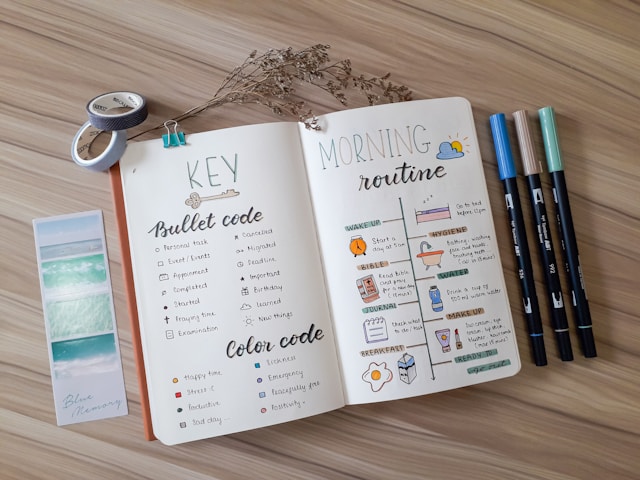
朝のルーティンは人それぞれ。あなたに合ったものを作りましょう。
Key Principles:
- Start small: 小さく始める
- Be consistent: 一貫性を持つ
- Adjust as needed: 必要に応じて調整
- Make it enjoyable: 楽しめるものにする
ステップ1: 目標を決める(Define Your Goals)
質問:
- “What do I want to achieve?”(何を達成したいか?)
- “How do I want to feel?”(どう感じたいか?)
- “What’s most important to me?”(何が最も重要か?)
例:
- もっと健康的になりたい → 運動を入れる
- ストレスを減らしたい → 瞑想を入れる
- 学びたい → 読書を入れる
ステップ2: 現実的な時間を設定(Set Realistic Time)
初心者向け:
- 15-30分から始める
- 無理に早起きしない
- 徐々に時間を増やす
中級者向け:
- 30-60分の朝時間
- いくつかの習慣を組み合わせる
上級者向け:
- 60-90分の朝時間
- 完全なルーティンを確立
ステップ3: 習慣を選ぶ(Choose Your Habits)
必須の3つ(The Essential 3):
- Something for your body(体のための何か):
- 運動、ストレッチ、散歩
- Something for your mind(心のための何か):
- 瞑想、読書、学習
- Something for your soul(魂のための何か):
- 日記、感謝、アファメーション
ステップ4: 準備をする(Prepare the Night Before)
前夜の準備が成功の鍵:
- 服を準備する(Lay out clothes)
- 本を枕元に置く(Place book by bedside)
- 運動着を用意する(Prepare workout gear)
- 早く寝る(Go to bed early)
Benjamin Franklin’s wisdom: “Early to bed and early to rise makes a man healthy, wealthy, and wise.” 「早寝早起きは人を健康に、裕福に、そして賢くする」
9. Common Obstacles and Solutions(よくある障害と解決策)
Challenge 1: “I’m not a morning person”(朝が苦手です)
Solution: Nobody is born a “morning person.” It’s a habit you build. 誰も生まれつき「朝型」ではありません。それは築く習慣です。
実践的アドバイス:
- 15分ずつ早く起きる
- 最初の2週間は辛いことを受け入れる
- 楽しみを朝に用意する(好きなコーヒー、美味しい朝食)
Challenge 2: “I don’t have time”(時間がありません)
Solution: You don’t find time, you make time. 時間は見つけるものではなく、作るものです。
実践的アドバイス:
- 夜のSNS時間を朝に移す
- テレビを30分減らす
- 早く寝ることで早く起きる
Jim Rohn’s quote: “Either you run the day, or the day runs you.” 「あなたが1日を動かすか、1日があなたを動かすかだ」
Challenge 3: “I’m too tired”(疲れすぎています)
Solution: Tiredness in the morning often means poor sleep quality, not lack of morning routine. 朝の疲れは、朝のルーティンの欠如ではなく、睡眠の質の悪さを意味することが多い。
実践的アドバイス:
- 就寝時間を一定にする
- 寝る前のスクリーンタイムを減らす
- 寝室を暗く、涼しくする
- 7-8時間の睡眠を確保する
Challenge 4: “I keep hitting snooze”(つい二度寝してしまいます)
Solution: Make it impossible to snooze. 二度寝を不可能にする。
実践的アドバイス:
- アラームを部屋の反対側に置く
- “5-Second Rule”を使う:カウントダウン 5-4-3-2-1-起きる!
- すぐにカーテンを開けて光を浴びる
Mel Robbins’ wisdom: “You are never going to feel like it. So you just have to do it anyway.” 「やりたい気分になることは決してない。だからとにかくやるしかない」
10. The Compound Effect(複利効果)of Morning Routines
Small Actions, Big Results
朝の小さな習慣が、時間とともに大きな結果を生みます。
Key Concept:
- Compound Effect: 複利効果
- Consistency over intensity: 激しさより一貫性
- Small wins: 小さな勝利
- Long-term thinking: 長期的思考
ダレン・ハーディの教え
『The Compound Effect(複利効果)』の著者ダレン・ハーディは言います:
“Small, Smart Choices + Consistency + Time = RADICAL DIFFERENCE” 「小さく賢い選択 + 一貫性 + 時間 = 劇的な違い」
朝のルーティンの複利計算
1日10分の読書 =
- 1週間:70分
- 1ヶ月:約5時間
- 1年:約60時間(約12-15冊の本)
- 10年:約600時間(120-150冊の本)
1日10分の運動 =
- 1週間:70分
- 1ヶ月:約5時間
- 1年:約60時間の運動
- 体重、健康、エネルギーレベルの大幅改善
Think of your morning routine as an investment in yourself. 朝のルーティンを自分自身への投資と考えてください。
Warren Buffett’s principle: “The best investment you can make is in yourself.” 「最良の投資は自分自身への投資だ」
実践英会話:朝のルーティンについて話そう

Dialogue 1: Sharing Morning Routines with a Friend
Alex: Hey! You look energized lately. What’s your secret? アレックス: やあ!最近元気そうだね。秘訣は何?
Sarah: Thanks! I started a morning routine three months ago. It’s completely changed my life. サラ: ありがとう!3ヶ月前に朝のルーティンを始めたの。完全に人生が変わったわ。
Alex: Really? What do you do? アレックス: 本当に?何をしているの?
Sarah: I wake up at 5:30, meditate for 10 minutes, exercise for 20 minutes, and then read for 15 minutes before breakfast.サラ: 5時半に起きて、10分瞑想して、20分運動して、朝食前に15分読書するの。
Alex: That sounds amazing, but I’m definitely not a morning person. I hit snooze five times every day! アレックス: それは素晴らしいけど、僕は絶対に朝型人間じゃないよ。毎日5回スヌーズボタンを押すんだ!
Sarah: I used to be exactly the same. The key is starting small and being consistent. サラ: 私も全く同じだったわ。鍵は小さく始めて一貫性を保つことよ。
Alex: How did you start? アレックス: どう始めたの?
Sarah: I began with just 10 minutes of meditation. After two weeks, I added exercise. Then reading. I built it gradually over three months. サラ: たった10分の瞑想から始めたの。2週間後に運動を加えて、それから読書。3ヶ月かけて徐々に構築したの。
Alex: Do you ever skip days? アレックス: 日を飛ばすことはある?
Sarah: Rarely. But when I do, I don’t beat myself up. I just get back to it the next day. Consistency matters more than perfection. サラ: ほとんどないわ。でも飛ばしたときも自分を責めない。翌日に戻るだけ。完璧さより一貫性の方が重要なの。
Alex: What benefits have you noticed? アレックス: どんな効果に気づいた?
Sarah: I’m more focused at work, I have more energy throughout the day, and I feel more in control of my life. Plus, I’ve already read 15 books this year! サラ: 仕事でもっと集中できるし、1日中エネルギーがあるし、人生をもっとコントロールしている感じがするの。それに、今年はもう15冊本を読んだわ!
Alex: That’s inspiring. Maybe I should give it a try. アレックス: それは励みになるね。僕も試してみるべきかも。
Sarah: Start with just one thing. Maybe 10 minutes of reading or a short walk. See how you feel after a week. サラ: ひとつから始めて。たぶん10分の読書か短い散歩。1週間後にどう感じるか見てみて。
Dialogue 2: Discussing Morning Challenges at Work
Manager: I’ve noticed you’re always the first one in the office and seem very productive in the mornings. What’s your routine? マネージャー: いつもオフィスで一番早く、朝とても生産的に見えることに気づいたよ。ルーティンは何?
Employee: I wake up at 5 AM and follow what’s called the “Miracle Morning” routine. It includes meditation, exercise, and reading. 社員: 朝5時に起きて、「ミラクルモーニング」と呼ばれるルーティンに従っています。瞑想、運動、読書が含まれています。
Manager: 5 AM? That’s impressive. Don’t you feel exhausted? マネージャー: 朝5時?それはすごいね。疲れを感じないの?
Employee: Actually, no. I go to bed by 10 PM, so I get 7 hours of sleep. The key is consistency—my body has adapted.社員: 実際、いいえ。夜10時には寝るので、7時間睡眠を取っています。鍵は一貫性です。体が適応しました。
Manager: I struggle with mornings. Any advice for someone like me who loves sleeping in? マネージャー: 朝が苦手なんだ。寝坊が大好きな僕のような人へのアドバイスは?
Employee: Start tiny. Don’t try to wake up two hours earlier immediately. Try 15 minutes earlier for a week. Your body needs time to adjust. 社員: 小さく始めてください。いきなり2時間早く起きようとしないでください。1週間15分早く試してみてください。体は適応する時間が必要です。
Manager: What if I don’t have time for a full routine? マネージャー: 完全なルーティンの時間がなかったら?
Employee: Even 10-15 minutes makes a difference. Robin Sharma says, “Win your morning, win your day.” Just doing one thing intentionally changes your mindset. 社員: 10〜15分でも違いを生みます。ロビン・シャーマは「朝を制すれば、その日を制する」と言っています。意図的にひとつのことをするだけでマインドセットが変わります。
Manager: I think I’ll try it. Maybe I’ll start with 10 minutes of reading business books. マネージャー: 試してみようと思うよ。たぶんビジネス書を10分読むことから始めるよ。
Employee: Perfect! Hal Elrod says, “How you wake up each day affects your success in every area of your life.” 社員:完璧です!ハル・エルロッドは「毎日どう目覚めるかが人生のあらゆる分野での成功に影響する」と言っています。
Dialogue 3: Family Discussion About Morning Habits
Parent: Kids, we need to talk about our mornings. They’ve been chaotic lately. 親: 子供たち、朝について話す必要があるわ。最近混沌としているの。
Teen: What do you mean? We always make it to school on time. ティーン: どういう意味?いつも学校に間に合っているでしょ。
Parent: Barely! Everyone’s rushing, stressed, and we start the day in a bad mood. I want to change that. 親: ギリギリでね!みんな急いで、ストレスを感じて、悪い気分で1日を始めているの。それを変えたいのよ。
Teen: What’s your plan? ティーン: 計画は何?
Parent: I read a book called “The 5 AM Club.” It suggests waking up earlier and having a peaceful morning routine. 親:「朝5時クラブ」という本を読んだの。早起きして平和な朝のルーティンを持つことを提案しているわ。
Child: 5 AM?! That’s crazy! I need my sleep! 子供: 朝5時?!クレイジーだよ!睡眠が必要なんだ!
Parent: Don’t worry, I’m not suggesting 5 AM for everyone. But what if we all woke up just 30 minutes earlier? We could have breakfast together without rushing. 親: 心配しないで、みんなに5時を提案しているわけじゃないの。でももし全員がたった30分早く起きたら?急がずに一緒に朝食を取れるわ。
Teen: I guess that could work. But I’d have to go to bed earlier. ティーン: それならうまくいくかも。でも早く寝なきゃいけないわね。
Parent: Exactly! That’s part of it. Less screen time before bed, earlier sleep, better mornings. Michelle Obama does this with her family. 親: その通り!それも一部なの。寝る前のスクリーンタイムを減らして、早く寝て、より良い朝。ミシェル・オバマは家族とこれをやっているのよ。
Child: Who’s Michelle Obama? 子供: ミシェル・オバマって誰?
Parent: Former First Lady. She wakes up at 4:30 to exercise and prepare breakfast for her daughters. She says that time to herself is critical. 親: 元ファーストレディよ。4時半に起きて運動して、娘たちに朝食を準備するの。自分のための時間が重要だと言っているわ。
Teen: Okay, I’m willing to try. But can I still have my phone in the morning? ティーン: わかった、試してみる。でも朝は携帯を持っててもいい?
Parent: After breakfast and getting ready, yes. But not the first thing when you wake up. Tim Ferriss says we should win the morning first. 親: 朝食の後と準備が終わった後なら、いいわよ。でも起きてすぐはダメ。ティム・フェリスは最初に朝を制すべきだと言っているの。
Child: This sounds like a lot of work. 子供: これはたくさんの仕事みたいだ。
Parent: At first, yes. But Robin Sharma says, “All change is hard at first, messy in the middle, and gorgeous at the end.” Let’s try it for two weeks and see how we feel. 親: 最初はね。でもロビン・シャーマは「すべての変化は最初は難しく、途中は混乱し、最後は美しい」と言っているわ。2週間試して、どう感じるか見てみましょう。
Teen: Fine. But if I’m grumpy for two weeks, don’t say I didn’t warn you! ティーン: わかった。でも2週間不機嫌だったら、警告しなかったなんて言わないでよね!
Parent: Deal! And I promise to be patient with all of us as we adjust. 親: 約束!そして私たちみんなが適応する間、忍耐強くすることを約束するわ。
Dialogue 4: Coaching Session on Building Morning Habits
Coach: Thanks for scheduling this session. Tell me, what brings you here today? コーチ: このセッションをスケジュールしてくれてありがとう。今日はどうして来たのか教えて。
Client: I feel like my life is out of control. I wake up late, rush to work, and feel stressed all day. I heard morning routines can help. クライアント: 人生がコントロール不能な感じがするんです。遅く起きて、仕事に急いで、一日中ストレスを感じています。朝のルーティンが助けになると聞きました。
Coach: You’re absolutely right. As Hal Elrod says, “How you wake up affects your success in every area of your life.” Let’s design a routine that works for you. コーチ: その通りだよ。ハル・エルロッドが言うように、「どう目覚めるかが人生のあらゆる分野での成功に影響する」んだ。君に合ったルーティンをデザインしよう。
Client: I’ve tried before but always quit after a few days. I’m just not disciplined enough. クライアント: 前に試したことはあるんですが、いつも数日で辞めてしまうんです。十分な規律がないだけです。
Coach: It’s not about discipline—it’s about systems. Willpower is limited, but good systems work automatically. What time do you currently wake up? コーチ: 規律についてじゃない。システムについてなんだ。意志力は限られているけど、良いシステムは自動的に機能する。今は何時に起きているの?
Client: Around 7:30, but I hit snooze multiple times. クライアント: 7時半くらいですが、何度もスヌーズを押します。
Coach: Okay, let’s not be too ambitious. What if we started with 7:15? Just 15 minutes earlier. Can you commit to that for one week? コーチ: わかった、あまり野心的にならないようにしよう。7時15分から始めたらどう?たった15分早いだけ。1週間それを約束できる?
Client: I think so. But what do I do with those 15 minutes? クライアント: たぶんできます。でもその15分で何をするんですか?
Coach: Pick one thing you enjoy that sets a positive tone. Reading? Stretching? Coffee in silence? What appeals to you?コーチ: 楽しめて前向きなトーンを設定するひとつを選んで。読書?ストレッチ?静かにコーヒー?何が魅力的?
Client: I love reading but never have time for it. クライアント: 読書が大好きですが、決して時間がないんです。
Coach: Perfect. Here’s your mission: Wake up at 7:15, make coffee, and read for 10 minutes. That’s it. Nothing else. Can you do that? コーチ: 完璧だ。これが君のミッションだ。7時15分に起きて、コーヒーを入れて、10分読書する。それだけ。他に何もない。できる?
Client: That sounds manageable. But what about exercise and meditation? Everyone talks about those. クライアント:それなら管理できそうです。でも運動と瞑想は?みんなそれについて話しています。
Coach: We’ll add them later if you want. Remember what James Clear says in “Atomic Habits”: “Make it easy.” Start so small that you can’t fail. Success breeds success. コーチ: 必要なら後で追加しよう。ジェームズ・クリアが「アトミック・ハビッツ」で言っていることを覚えておいて。「簡単にする」。失敗できないほど小さく始めるんだ。成功は成功を生む。
Client: What if I sleep through my alarm? クライアント: アラームで起きられなかったら?
Coach: Put your alarm across the room. Once you’re up and walking, you’re halfway there. And prepare everything the night before—your book, your coffee maker, everything. コーチ: アラームを部屋の反対側に置いて。一度起きて歩き始めたら、半分そこにいるんだ。そして前の夜にすべてを準備する。本も、コーヒーメーカーも、すべて。
Client: Okay, I’ll try it. For one week. クライアント: わかりました、試してみます。1週間。
Coach: Great! And remember Mel Robbins’ 5-Second Rule: When your alarm goes off, count 5-4-3-2-1 and immediately get up. Don’t think, just move. コーチ: 素晴らしい!そしてメル・ロビンズの5秒ルールを覚えておいて。アラームが鳴ったら、5-4-3-2-1とカウントしてすぐに起きる。考えないで、ただ動くんだ。
Client: I can do this. Thank you. クライアント: できます。ありがとうございます。
Coach: You absolutely can. As Robin Sharma says, “Small daily improvements over time lead to stunning results.” I’ll check in with you next week. コーチ: 絶対にできるよ。ロビン・シャーマが言うように、「時間をかけた小さな日々の改善が驚異的な結果につながる」んだ。来週チェックインするよ。
重要表現集(Key Expressions)

朝のルーティンについて話す表現:
- “I have a morning routine that includes…” (〜を含む朝のルーティンがあります)
- “I wake up at…” (〜時に起きます)
- “My morning starts with…” (私の朝は〜で始まります)
- “I’ve been following this routine for…” (このルーティンを〜の間続けています)
- “It has completely transformed my life.” (それは私の人生を完全に変えました)
朝の習慣を勧める表現:
- “Have you considered starting a morning routine?” (朝のルーティンを始めることを考えましたか?)
- “I highly recommend…” (〜を強くお勧めします)
- “It makes a huge difference in…” (〜に大きな違いを生みます)
- “You should give it a try.” (試してみるべきです)
- “Start small and build gradually.” (小さく始めて徐々に構築してください)
困難について話す表現:
- “I’m not a morning person.” (私は朝型人間ではありません)
- “I struggle to wake up early.” (早起きに苦労しています)
- “I keep hitting the snooze button.” (スヌーズボタンを押し続けてしまいます)
- “I don’t have time in the morning.” (朝は時間がありません)
- “I feel too tired to exercise.” (運動するには疲れすぎています)
解決策を提案する表現:
- “Try starting with just 10-15 minutes.” (たった10〜15分から始めてみてください)
- “Prepare everything the night before.” (前の夜にすべてを準備してください)
- “Make it so easy you can’t fail.” (失敗できないほど簡単にしてください)
- “Consistency matters more than perfection.” (完璧さより一貫性の方が重要です)
- “Give it at least two weeks before judging.” (判断する前に少なくとも2週間は続けてください)
成果について話す表現:
- “Since starting my morning routine, I…” (朝のルーティンを始めてから、私は〜)
- “I feel more energized throughout the day.” (1日中もっと活力を感じます)
- “My productivity has increased significantly.” (生産性が大幅に向上しました)
- “I have better focus and clarity.” (より良い集中力と明晰さがあります)
- “It’s changed my entire outlook on life.” (人生全体の見方が変わりました)
有名人の名言を引用する表現:
- “As [name] says…” (〜が言うように…)
- “According to [name]…” (〜によると…)
- “I read in [book title] that…” (〜という本で読んだのですが…)
- “[Name] recommends…” (〜は推奨しています…)
- “There’s a quote I love: ‘…'” (好きな名言があります:「…」)
Practice Exercise(練習問題)
以下の日本語を英語で表現してみましょう:
- 「朝のルーティンは人生を変える力があります」
- 「朝は一日で最も意志力が高い時間です」
- 「小さく始めて、徐々に習慣を増やしていきましょう」
- 「一貫性が完璧さより重要です」
- 「朝の最初の1時間が1日のトーンを決めます」
- 「前の夜に準備することが成功の鍵です」
- 「スヌーズボタンを押すのをやめて、すぐに起きましょう」
- 「朝の読書は年間で多くの本を読むことにつながります」
解答例:
- “Morning routines have the power to transform your life.”
- “Morning is the time of day when willpower is highest.”
- “Start small and gradually add more habits.”
- “Consistency is more important than perfection.”
- “The first hour of the morning sets the tone for the day.”
- “Preparing the night before is the key to success.”
- “Stop hitting the snooze button and get up immediately.”
- “Morning reading leads to many books read per year.”
あなたの朝ルーティンプランナー(Your Morning Routine Planner)
1週間チャレンジ(1-Week Challenge)
Week 1: Foundation(基礎)
目標:たった1つの習慣を確立する
選択肢:
- □ 10分の読書(10-minute reading)
- □ 5分の瞑想(5-minute meditation)
- □ 10分の散歩(10-minute walk)
- □ ストレッチ(Stretching)
- □ 日記を書く(Journaling)
毎日チェック:
| 月 | 火 | 水 | 木 | 金 | 土 | 日 |
|---|---|---|---|---|---|---|
| □ | □ | □ | □ | □ | □ | □ |
週末の振り返り:
- どう感じましたか?(How did you feel?)
- 困難は何でしたか?(What were the challenges?)
- 来週続けますか?(Will you continue next week?)
1ヶ月プラン(1-Month Plan)
Week 2: Add One More(もう1つ追加) 最初の習慣 + 新しい習慣を1つ
Week 3: Optimize(最適化) 時間を調整し、より楽しくする
Week 4: Solidify(固める) 完全に自動化されるまで継続
理想の朝ルーティンテンプレート
5:30-5:40 (10分): Wake up & Hydrate
- 起床
- 水を1杯飲む
- カーテンを開ける
5:40-5:50 (10分): Silence
- 瞑想または深呼吸
- 感謝の気持ちを持つ
5:50-6:10 (20分): Move
- 運動、ヨガ、または散歩
- 体を目覚めさせる
6:10-6:25 (15分): Grow
- 読書
- ポッドキャスト
- オンライン学習
6:25-6:35 (10分): Plan
- 日記を書く
- 今日の目標を設定
- アファメーション
6:35-7:00 (25分): Prepare
- シャワー
- 健康的な朝食
- 出発準備
Total: 90 minutes of intentional morning time 合計:意図的な朝時間90分
科学的根拠(Scientific Evidence)
なぜ朝のルーティンが効果的なのか?
1. Cortisol Levels(コルチゾールレベル) 朝は自然にコルチゾール(覚醒ホルモン)が高い。この時間を活用することで、より高いパフォーマンスが得られます。
2. Prefrontal Cortex Activity(前頭前野の活動) 朝は脳の意思決定を司る部分が最も活発。重要な判断や創造的な仕事に最適です。
3. Habit Formation(習慣形成) Research shows it takes 21-66 days to form a habit. 研究によると、習慣を形成するには21〜66日かかります。
4. Neuroplasticity(神経可塑性) Morning learning is more effective because the brain is fresh and receptive. 脳が新鮮で受け入れやすいため、朝の学習はより効果的です。
まとめ:あなたの人生を変える決断
The Choice Is Yours
成功者と普通の人の違いは、才能や運ではありません。朝の時間をどう使うかです。
Remember these key points:
- Morning routines give you control(朝のルーティンはコントロールを与える)
- 自分の時間を取り戻す
- 主体的に生きる
- Start small, think big(小さく始め、大きく考える)
- 10分から始める
- 複利効果を信じる
- Consistency beats intensity(一貫性が激しさに勝る)
- 毎日少しずつ
- 完璧を求めない
- Prepare for success(成功のために準備する)
- 前夜の準備
- 環境を整える
- Learn from the best(最高の人から学ぶ)
- 本を読む
- 実践する
最後の名言
Aristotle(アリストテレス):
“We are what we repeatedly do. Excellence, then, is not an act, but a habit.” 「私たちは繰り返し行うことの集積である。したがって、優秀さは行為ではなく、習慣である」
Your morning routine is your daily vote for the person you want to become. あなたの朝のルーティンは、なりたい自分への毎日の投票です。
今日から始めるアクションステップ
今夜やること:
- ✅ 就寝時間を決める(9-10時)
- ✅ アラームを部屋の反対側に設置
- ✅ 明日の朝の服を準備
- ✅ 本を枕元に置く
- ✅ 1つの習慣を選ぶ
明日の朝:
- ✅ 5-4-3-2-1でアラームで起きる
- ✅ スヌーズを押さない
- ✅ すぐに水を飲む
- ✅ 選んだ習慣を10分実践
- ✅ 達成感を味わう
1週間後:
- ✅ 振り返りをする
- ✅ 調整が必要か考える
- ✅ もう1つ習慣を追加するか検討
- ✅ 友人や家族にシェア
- ✅ 継続を祝う
Final Message:
The secret to success is not a secret at all. It’s waking up with purpose, starting your day intentionally, and doing it consistently.
成功の秘訣は秘密ではありません。目的を持って目覚め、意図的に1日を始め、それを一貫して行うことです。
Your future self will thank you for starting today. 未来のあなたは、今日始めたことに感謝するでしょう。
Ready? Set? Wake up and win! 準備はいい?セット?目覚めて勝とう!
Referenced Books:
- The Miracle Morning by Hal Elrod
- The 5 AM Club by Robin Sharma
- Willpower by Roy Baumeister
- The 4-Hour Workweek by Tim Ferriss
- The Compound Effect by Darren Hardy
- Atomic Habits by James Clear